
.png)
.png)
.png)





Why Image Settings Matter When Using a Thermal Imaging Scope for Hunting
Thermal imaging scopes allow hunters to clearly observe temperature differences between targets and their surroundings. However, simply owning a thermal scope does not always mean you are getting the best image possible. How the image is adjusted directly affects your ability to spot targets, the speed at which you interpret the scene, and your comfort during the hunt.
Different hunting environments require different image settings. Factors such as temperature, weather, vegetation, distance, and the appearance of the target all affect image quality. Mastering how to adjust these settings helps hunters obtain more valuable information from their thermal imaging scopes.
Image Settings Affect Your Observations
The way thermal images are displayed is not fixed. Brightness, contrast, color modes, and other image control options all change how thermal differences appear on the screen.
If the image is too bright, important details may be difficult to distinguish. If the contrast is too strong, the image may appear sharp, but useful information could be lost in areas with minimal temperature differences.
The right settings help present the scene more clearly, which is especially important when the background and target temperatures are similar.
Different Environments Require Different Setting Adjustments
Thermal scopes can be used in open terrain, woodlands, grasslands, or other hunting environments. Each location produces a distinct thermal image.
For example, a warm ground surface might affect the image appearance in one area, while cooler vegetation could create a different background in another. A setting that works well in one location might not provide the same results elsewhere.
Hunters should be prepared to make fine adjustments as needed, rather than using the exact same settings every time.
Contrast Helps Distinguish the Target from the Background
Contrast is one of the most important factors in thermal imaging.
Suitable contrast makes it easier to discern the differences between a target and its surroundings. This can be useful when an animal is located near vegetation, uneven terrain, or other objects with similar thermal characteristics.
However, higher contrast is not always better. Too much contrast can make the image appear unnatural and make it harder to identify subtle details.
The key is to find a balance that makes the overall scene easier to interpret.
Brightness Affects Viewing Comfort
Brightness also plays an important role.
An image that is too dark may hide useful details, while excessive brightness can lead to eye strain during extended use. Hunters may need to adjust the brightness based on the environment and personal viewing comfort.
A comfortable image makes extended observation easier. This is especially useful during long hunts that require repeated use of the scope.
Color Modes Offer Different Ways to Read Heat
Many modern thermal imaging scopes provide more than one color mode.
Different color palettes can display warm and cool areas in different ways. Some hunters may prefer a simple black-and-white mode, while others might find color palettes easier to use in specific scenarios.
There is no single setting that is perfect for every hunting environment. The best choice depends on the specific situation, personal preference, and the type of information the hunter needs to obtain.
Digital Zoom Changes How You Read the Image
Digital zoom is another setting that hunters need to use with caution.
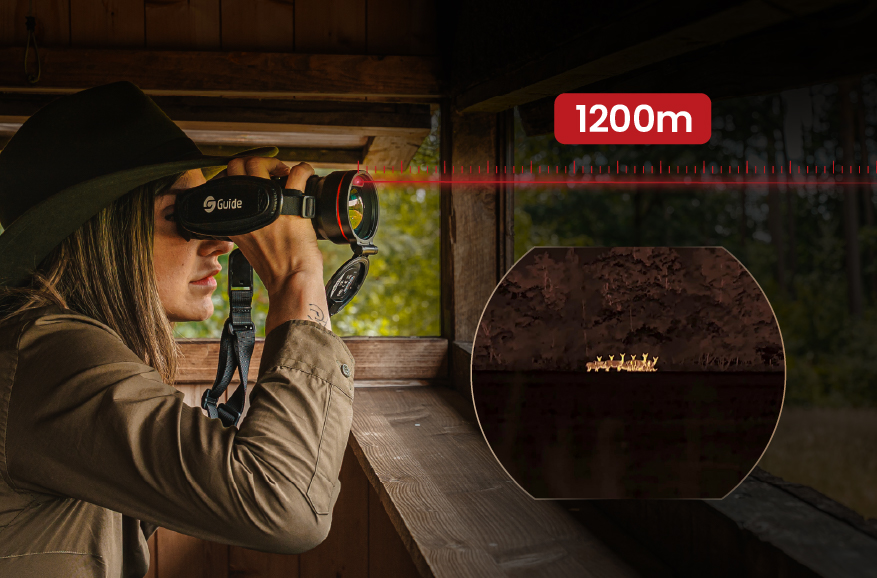
Higher magnification can make distant areas appear larger, but depending on the device's performance, this can sometimes lead to a loss of overall image detail. Relying on high levels of digital zoom too early can make it difficult to maintain awareness of the wider surroundings.
It is generally more practical to begin with a wider Field of View and increase magnification only when more detail is needed.
Practice to Master Your Settings
Hunters should not wait until an important moment in the field to learn how to adjust image settings.
Practicing with the thermal hunting scope before a hunting trip helps users understand exactly how different adjustments affect the image. This allows hunters to react more naturally and quickly when the environment changes.
Over time, hunters can determine the optimal settings for their specific hunting conditions.
Choose a Thermal Imaging Scope with Practical Controls
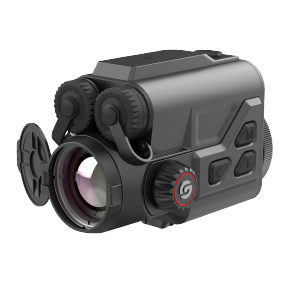
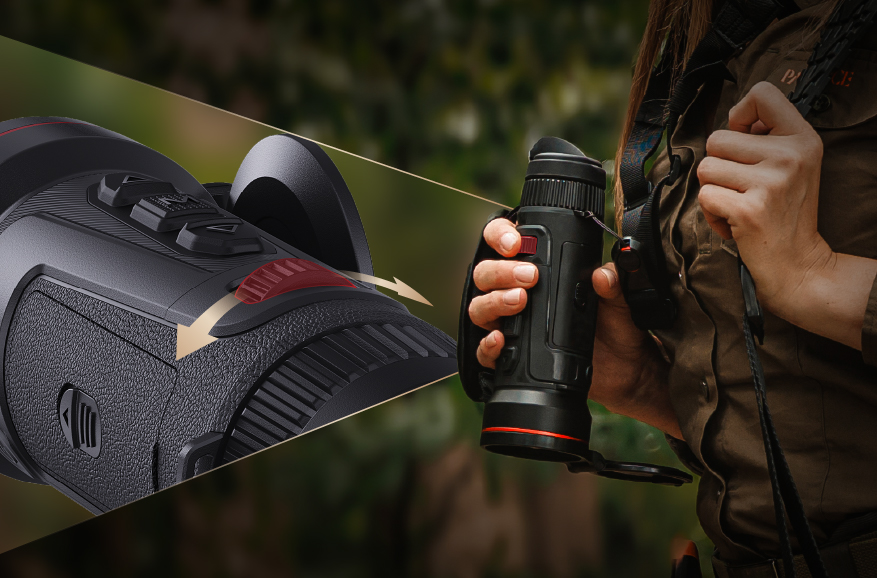
A high-quality thermal imaging scope should offer clear imagery and feature an intuitive, easy-to-use design. When choosing a scope, hunters should consider factors such as image quality, adjustment options, ease of operation, and overall reliability.
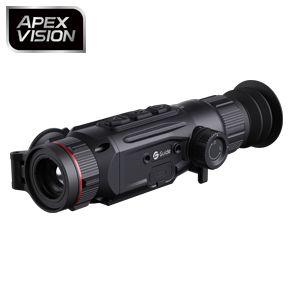
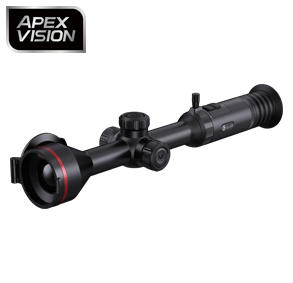
Guide Outdoor provides thermal imaging products designed specifically for outdoor and hunting applications. With practical features and reliable thermal imaging technology, Guide Outdoor helps hunters obtain clearer thermal information from their equipment in diverse outdoor environments.
A thermal hunting scope with flexible image settings allows users to adapt quickly to different environments.
Conclusion
Image settings are an important part of using thermal scopes for hunting. Parameters such as brightness, contrast, color modes, and digital zoom all influence how a hunter interprets and identifies the thermal image.
The optimal settings are not necessarily those with the highest brightness or strongest contrast; rather, they are the settings that provide a clear, comfortable, and practical view for the specific hunting environment.
By learning how to adjust image settings and practicing before a real hunt, hunters can use thermal imaging scopes more effectively and gain greater confidence in the field.












.png)

.png)
