
.png)
.png)





Thermal Hunting Tips: Using Thermal Imaging at Dawn and Dusk
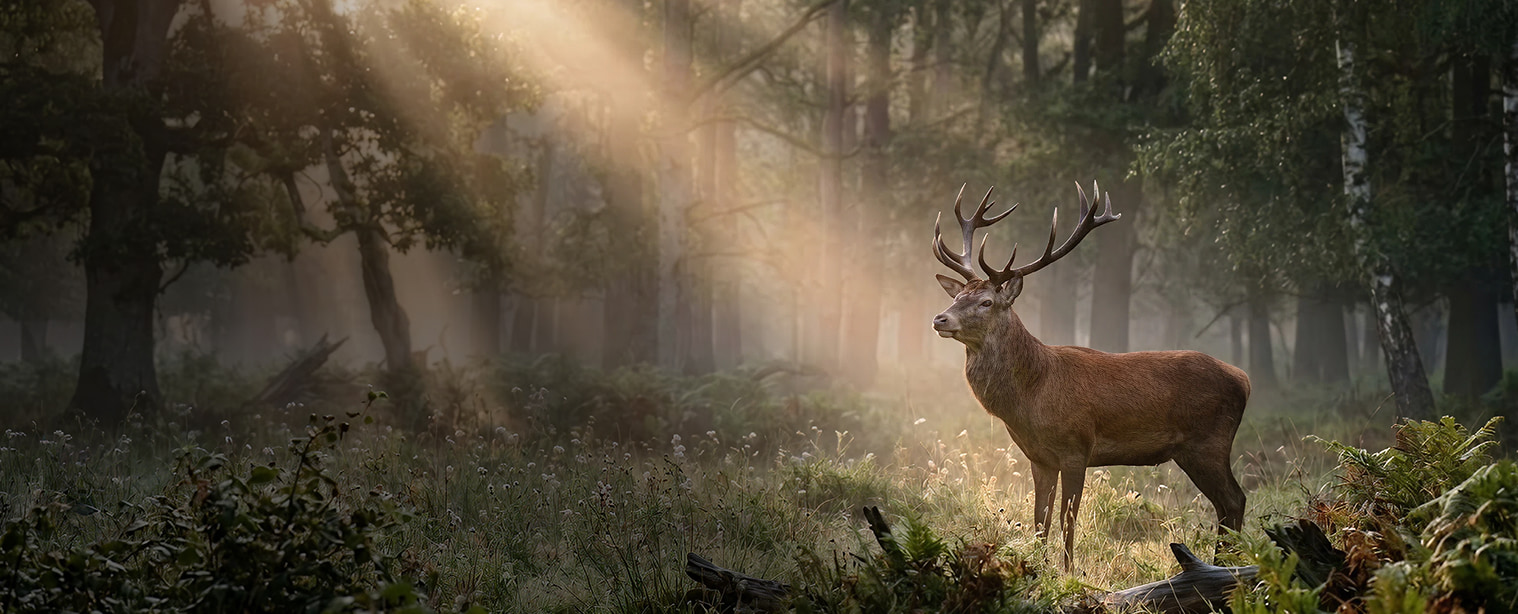
For many hunters, the early morning and late afternoon are critical times. Animals are often more active around sunrise and sunset, and the light conditions change rapidly at these times. A hunting area that is easy to observe in daylight can become difficult to read within a short time.
This is where a thermal scope or thermal monocular for hunting can become especially useful. Unlike traditional optical equipment, thermal imaging technology does not rely on visible light, allowing hunters to maintain continuous observation as the environment transitions between daylight and darkness.
The key is knowing how to use thermal imaging during these transition periods.
Start Using Thermal Imaging Before It Gets Dark
Late evening is not immediately “night” Light usually decreases gradually.
During this transition, hunters may still be able to use normal optical scopes, but shadows lengthen and details in darker areas begin to blur, making it difficult to distinguish game from the surrounding vegetation or terrain.
Using a thermal device during this period gives hunters another way to monitor the area as visible light fades.
Instead of waiting for complete darkness, hunters can flexibly switch between normal optics and thermal imaging devices based on changing lighting conditions.
Early Morning Can Be Just as Challenging
The same idea applies before sunrise.
Although the surroundings may begin to brighten, the initial light is often unevenly distributed. Open areas may become visible before shadowed zones, while forests and tree lines remain shrouded in dim light.
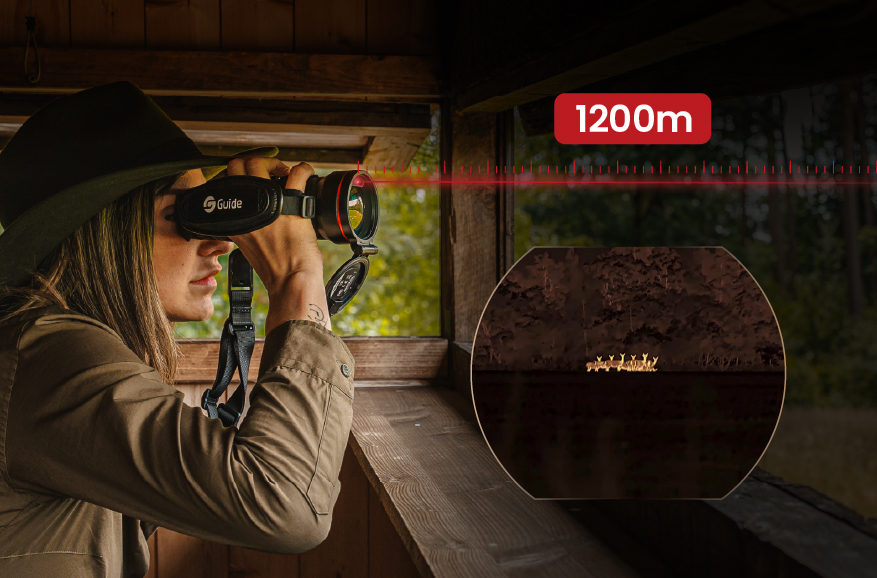
A thermal hunting scope can help maintain observation during this uneven lighting period.
This is particularly useful when animals move between open areas and shadowed zones shortly before sunrise.
Focus on Transition Areas
Animals do not always appear in the middle of a field.
During early morning and late evening, areas such as field edges, trails, grassland borders, and tree lines can be important observation points.
These areas serve as natural corridors for movement while offering a distinct interplay between open and covered terrain.
A thermal device can help hunters watch these transition areas while the visible-light image continues to change.
Use Thermal Imaging When Shadows Become Difficult
Shadows often pose a significant challenge when hunting in low-light conditions.
At sunset, a familiar area can quickly develop deep shadows. Before sunrise, the same areas may remain dark even after the surrounding landscape begins to brighten.
This can make traditional optics less consistent.
Thermal imaging offers an alternative source of visual information by detecting heat signatures rather than relying on visible light. However, thermal visibility still depends on temperature differences between the target and its surroundings.
For hunters, this means a shaded area can still be worth checking instead of being treated as a visually unusable section of the hunting ground.
Do Not Ignore the Remaining Daylight
Using thermal imaging technology does not mean normal optics are no longer useful.
During the early morning and late evening, details visible in the optical spectrum remain crucial for identifying terrain, fences, trees, roads, and other physical features.
A practical approach is to use both technologies flexibly, depending on the specific situation.
For example, a hunter might first use traditional optics to survey the terrain and then switch to thermal imaging when the target becomes difficult to distinguish from the background.
This combined approach is especially useful during rapidly changing light conditions.
Adjust Your Observation Style Around Sunrise and Sunset
The same hunting area can look very different within a short period.
At sunrise, shadows slowly retreat and more visible details become available.
At sunset, the situation is exactly the opposite.
Given these constantly changing environmental conditions, hunters should not assume that a single observation method remains equally effective throughout the entire period.
A thermal device can act as a stable observation tool while the visible scene changes around it.
Preparing for Extended Observation
Early morning and late evening hunts often begin before or continue after the most comfortable daylight period.
That makes practical equipment design important.
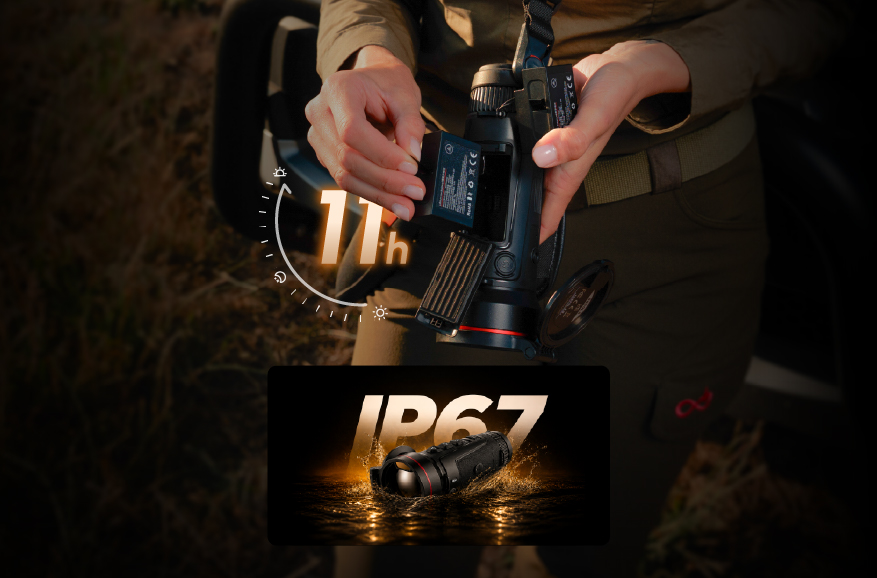
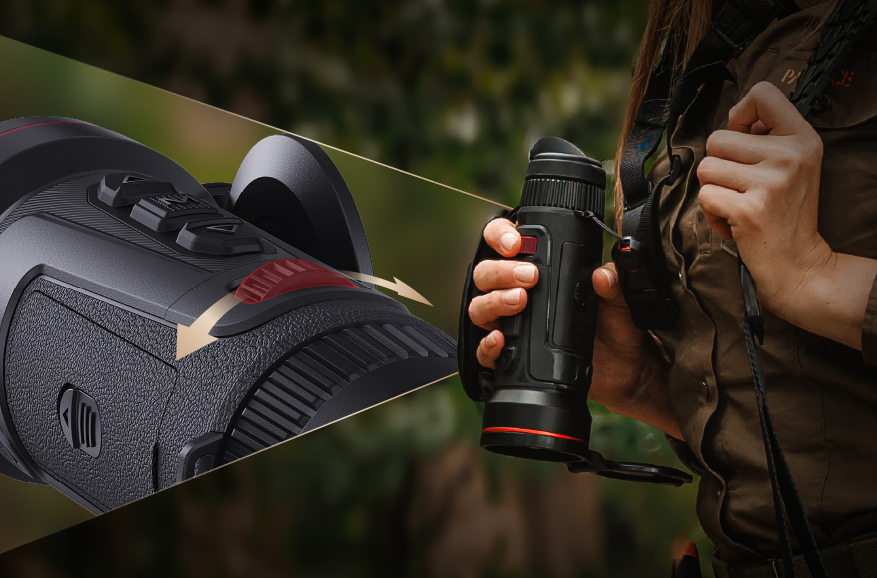
Battery life, weight, handling, display readability, and ease of access to key settings all affect the user experience.
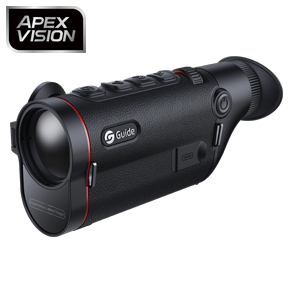
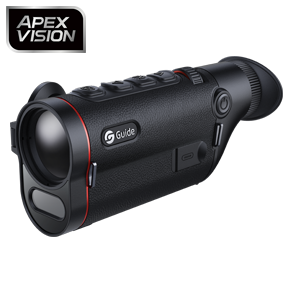
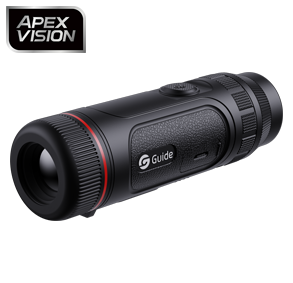
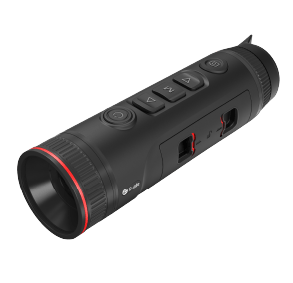
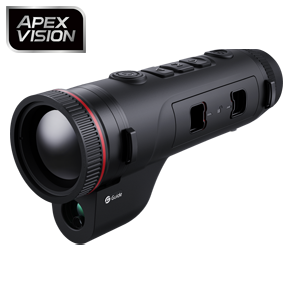
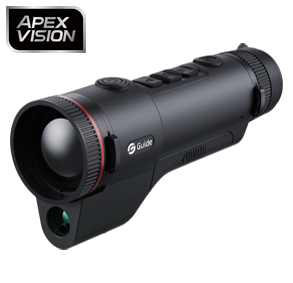
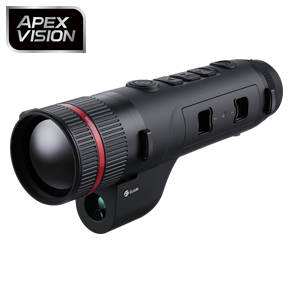
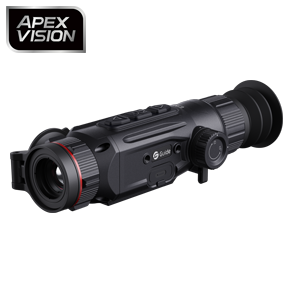
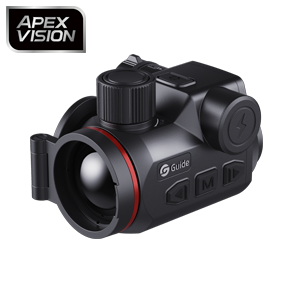
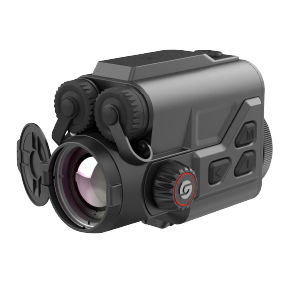
Hunters may also need to carry other equipment at the same time, so a compact thermal monocular can be useful when mobility is important.
Practice Before the Peak Hunting Season
Thermal images differ significantly from standard daylight visuals; therefore, hunters should familiarize themselves with the imaging characteristics before relying on this technology during actual hunts.
Practicing during the early morning and late evening is particularly beneficial, as lighting conditions naturally shift during these times.
Observe trees, grass, rocks, animals, and the ground at various times of day.
This helps hunters understand how thermal contrast changes as daylight appears or disappears and makes it easier to interpret the image in a real hunting situation.
Choosing a Thermal Device for Low-Light Hunting
For early morning and late evening use, hunters should look beyond one specification.
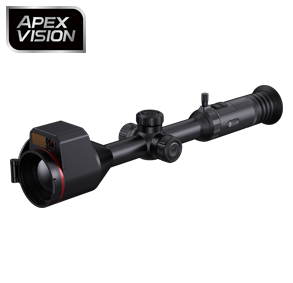
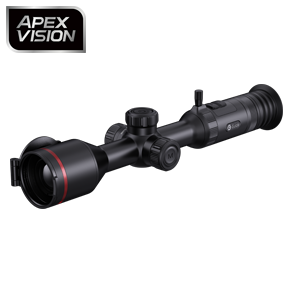
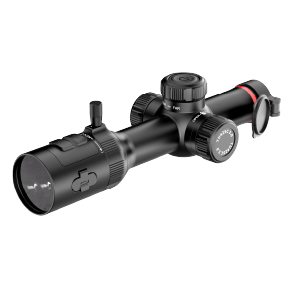
A suitable thermal hunting monocular or thermal scope should offer an appropriate field of view, clear image quality, reliable controls, and sufficient battery life to last through the planned hunt.
Furthermore, the device should align with the hunter's typical movement and observation habits.
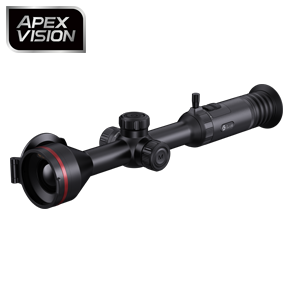
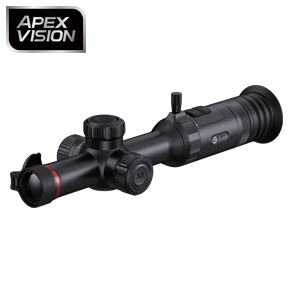
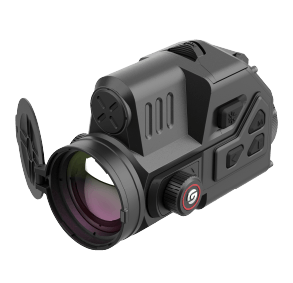
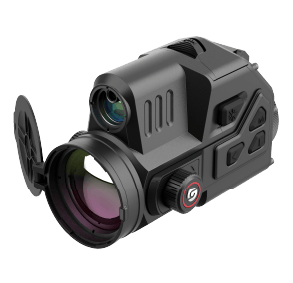
A compact thermal monocular may be more convenient for scanning and moving through the terrain, while a thermal scope is the better choice when the device needs to be mounted directly onto a firearm.
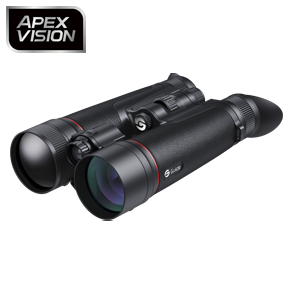
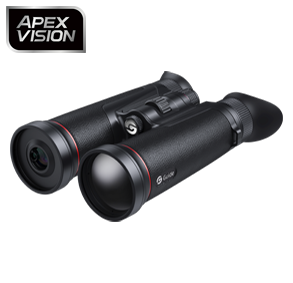
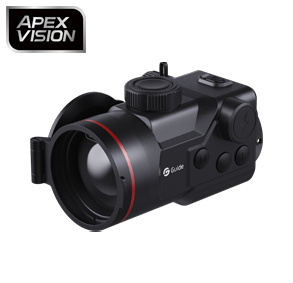
Guide offers thermal imaging products for hunting and outdoor use, helping hunters maintain observation as conditions move from daylight into low light.
Conclusion
Early morning and late evening create a special hunting environment because light changes quickly. While open areas may remain visible, details in the shadows become difficult to discern; even a familiar hunting ground can take on a completely different appearance within just a few minutes.
Thermal hunting equipment can help bridge this low-light transition.
By observing forest edges, animal trails, forest belts, and other areas where prey is active, and by combining thermal imaging technology with normal optical equipment as appropriate, hunters can make more effective use of these critical periods.
The goal is not to use thermal imaging all the time. It is to use it when changing light conditions make normal observation less reliable. For hunters who regularly hunt around sunrise or sunset, that flexibility can make the entire experience more effective.