
.png)
.png)
.png)





Thermal Binoculars for Outdoor Exploration: What You Need to Know
Outdoor exploration can take you through forests, mountains, open fields, valleys, and unfamiliar terrain. Environmental conditions can also change quickly: bright sunlight can turn into dim twilight, the weather can change abruptly, and objects that are clearly visible during the day may become difficult to see at night.
This is where thermal binoculars can be useful. Instead of relying on visible light, they generate images by detecting variations in infrared thermal radiation. This offers outdoor explorers a new way to understand their surroundings when normal visibility becomes limited.
For hikers, campers, wildlife watchers, and other outdoor enthusiasts, thermal binoculars deliver an observation advantage that traditional optics simply cannot match.
See More When Natural Light Is Limited
Traditional binoculars rely on visible light, so their effectiveness drops rapidly once the sun goes down.
The principle behind thermal imaging binoculars is quite different. They image by detecting heat rather than relying on conventional light. Consequently, heat-emitting objects remain clearly visible even in pitch-black darkness.
This can be useful during early morning hikes, evening exploration, or when returning to a campsite after sunset.
While thermal imaging technology cannot turn night into daytime, it provides another way to identify heat sources when normal vision becomes less effective.
Explore Unfamiliar Terrain With More Awareness
Outdoor exploration often means entering places you do not know well.
In forests, mountains, or large open areas, it is not easy to have a full grasp of the surroundings, especially when visibility changes.
Thermal imaging binoculars help hunters detect warm objects and identify activity in different parts of the landscape. With this additional information, hunters can more easily grasp the dynamics of their surroundings without relying only on normal visual details.
It works as a supporting tool rather than replacing standard navigation equipment.
Suitable for Wildlife Observation
Wildlife observation is one of the most practical uses for thermal binoculars.
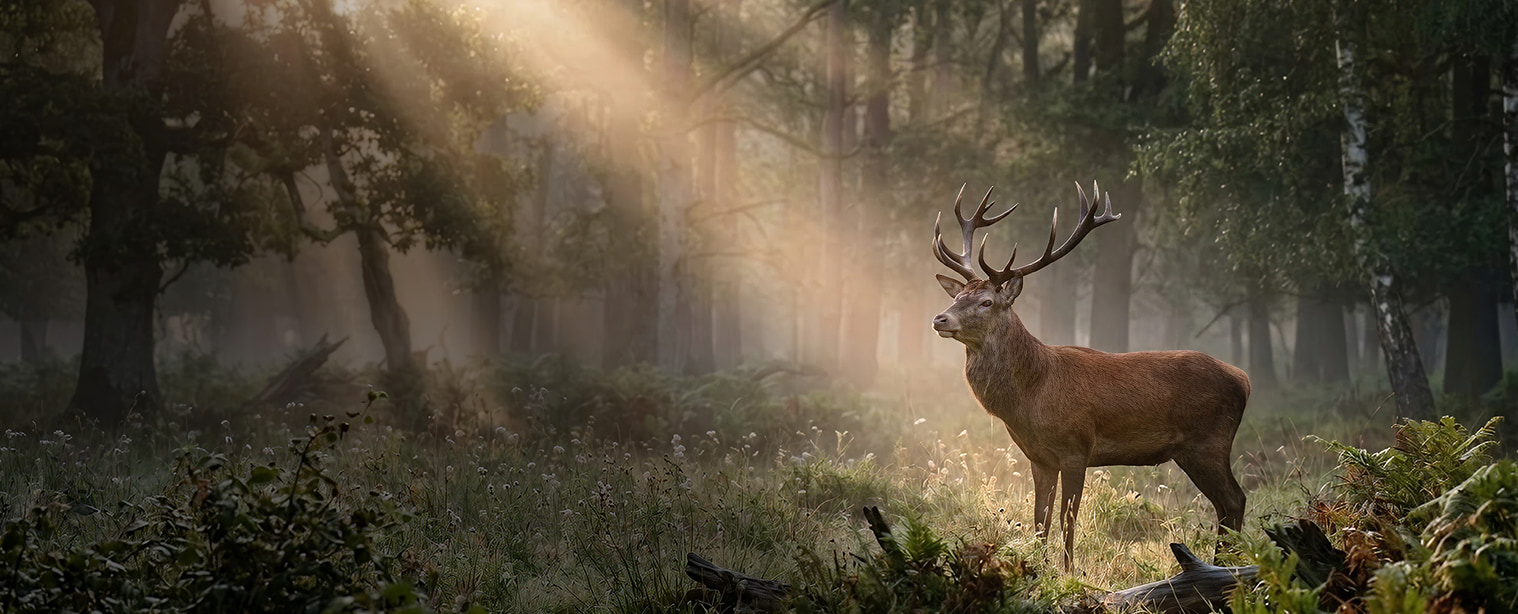
Animals may remain still, hide within vegetation, or only become active after sunset. A traditional binocular may have difficulty finding them when there is not enough light.
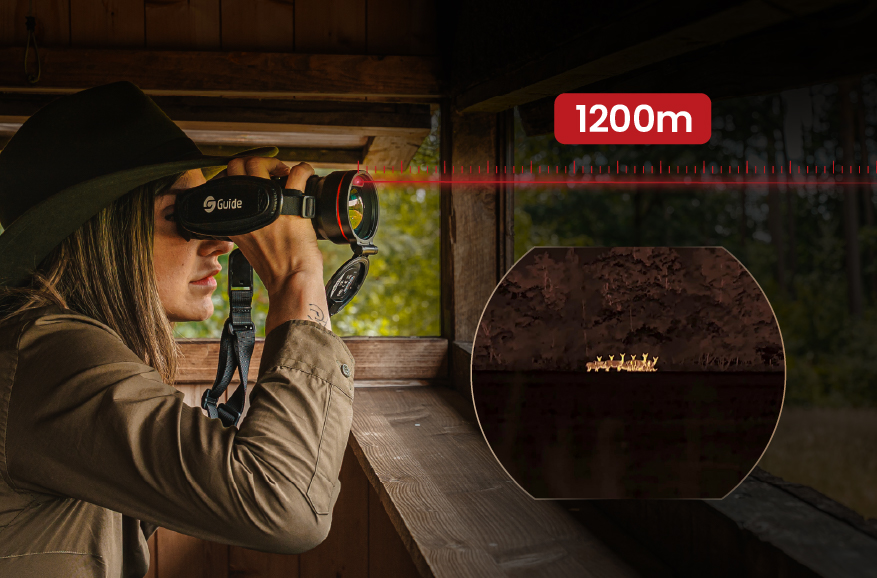
In contrast, thermal imaging technology creates images by detecting the heat emitted by living creatures, enabling hunters to spot animals that would otherwise be difficult to detect.
However, thermal hunting binoculars cannot see through trees, rocks, or solid objects. The thermal signal still needs to reach the sensor.
Better for Exploring at Dawn and Dusk
Many outdoor activities happen around sunrise and sunset.
These periods can be visually challenging because there may not be enough natural light for comfortable observation.
Thermal binoculars provide an additional means of observation during these periods of changing light, allowing hunters to continue monitoring their surroundings even as the light fades.
This makes them useful for hikers, campers, photographers, and wildlife enthusiasts who spend long hours outdoors.
Useful Across Different Outdoor Environments
Thermal imaging binoculars can be used across diverse terrains.
In forests, they can help hunters notice heat sources through visible gaps in vegetation.
In open areas, they assist in identifying heat signatures at long distances.
In mountain areas, they can provide another way to monitor slopes and surrounding terrain.
At campsites, they help hunters observe surrounding activity at night.
The actual performance will still depend on temperature differences, weather, distance, and the type of environment.
More Information Without Carrying Many Devices
Outdoor explorers often need to keep their gear lightweight and streamlined.
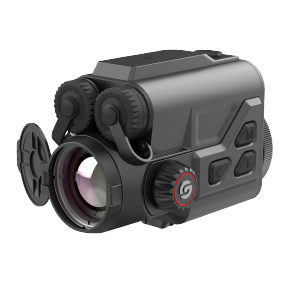
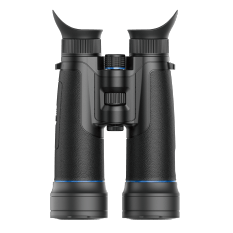
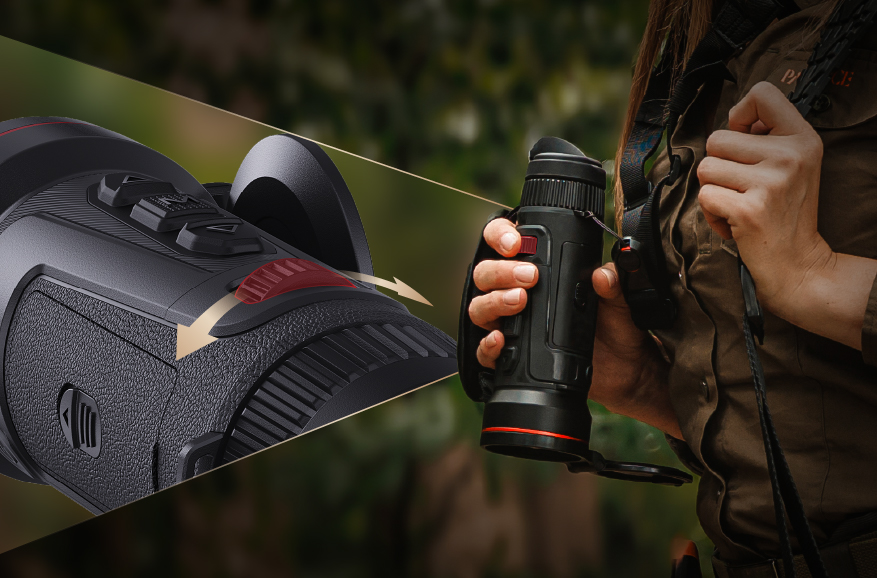
Handheld thermal imaging binoculars combine excellent observation capabilities with a relatively compact design. This means hunters do not necessarily need several different viewing devices for different light conditions.
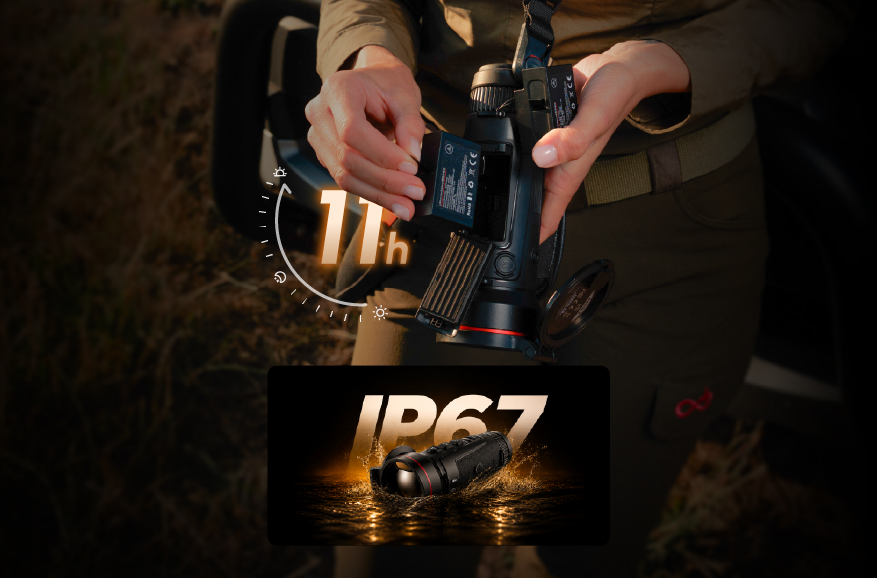
Weight is still important, especially during long hikes. A thermal binocular with 8+ hours of battery life can easily cover a full day’s hike; shorter battery life may cut your observation short.
Therefore, a practical pair of thermal imaging binoculars should balance image performance, size, weight, and operating time.
What About Weather Conditions?
Although thermal imaging technology functions in various low-light environments, weather conditions can still affect performance.
Fog, heavy rain, humidity, and changing temperatures can reduce thermal contrast and effective observation distance.
For example, a warm object typically stands out clearly against a cold background; however, if their temperatures converge, the thermal differential diminishes, resulting in reduced clarity and identifiability.
Understanding these limitations helps outdoor hunters have realistic expectations and use thermal binoculars more effectively.
Why Image Quality Is Crucial
Not every thermal binocular provides the same viewing experience.
Key factors include the resolution of the thermal sensor, lens performance, thermal sensitivity, image processing, refresh rate, and display quality.
Higher resolution can provide more detail, while a suitable lens can influence field of view and observation distance.
For outdoor exploration, image quality should be considered together with battery life, weight, and ease of use.
Choosing Thermal Binoculars for Outdoor Exploration
The right thermal binocular depends on how you explore.
For hiking through forests, a model that balances field of view with other features may be more practical. For open landscapes, longer observation capability may be preferred.
If you need to carry the device for extended periods, a lightweight design and long battery life become particularly important.
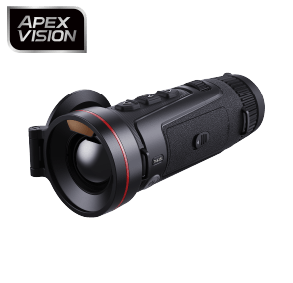
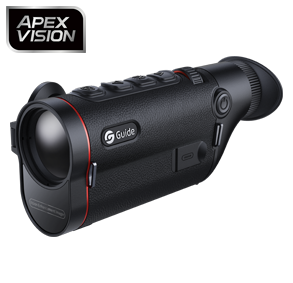
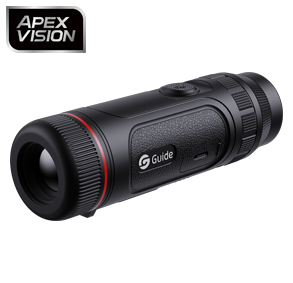
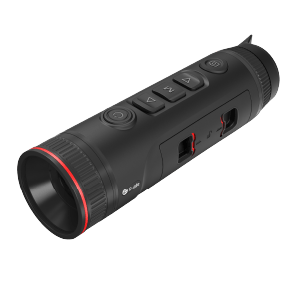
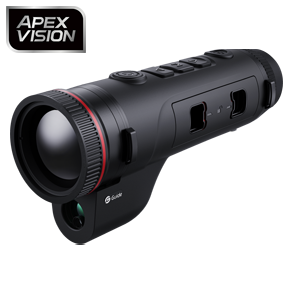
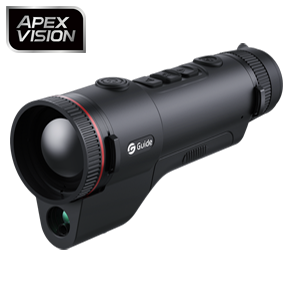
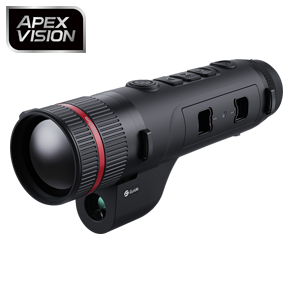
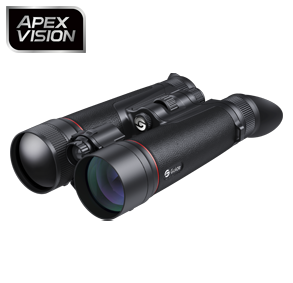
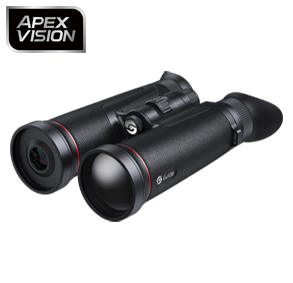
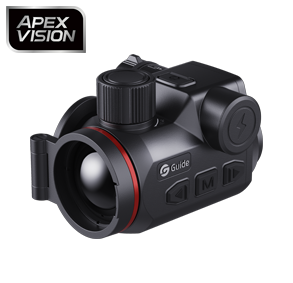
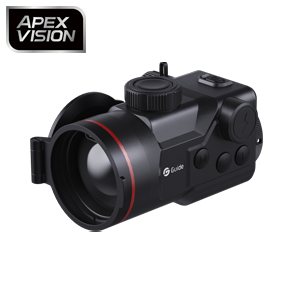
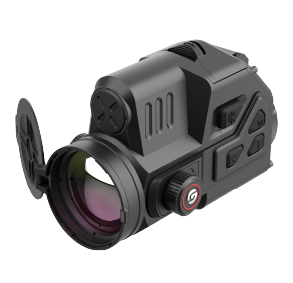
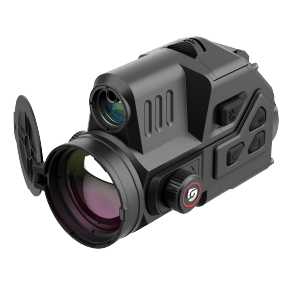
Guide Outdoor offers thermal imaging products specifically designed for outdoor enthusiasts and wildlife observers. Its thermal imaging solutions combine practical designs with advanced imaging technology for different outdoor environments.
Conclusion
Thermal binoculars are ideal gear for outdoor exploration, offering an alternative way to observe the environment when visibility is otherwise limited.
In the dim light of dawn and dusk, thermal binoculars help you see what you would otherwise miss.
Thermal imaging technology enables the detection of heat sources, providing hunters with information inaccessible to traditional binoculars; meanwhile, the device's adaptability to diverse environments makes it a versatile and practical outdoor tool.
For people who spend a lot of time exploring outdoors, thermal binoculars can add another layer of awareness without replacing traditional binoculars or navigation equipment.












.png)

.png)
