
.png)
.png)





How Thermal Devices Improve Outdoor Situational Awareness
Outdoor environments can change quickly. A clear trail can become difficult to read after sunset, a remote worksite may have areas that are hard to monitor, and a rescue team may need to make decisions in low visibility. In these situations, situational awareness goes beyond simply seeing further; it is about understanding the surrounding environment and detecting changes before they escalate into problems.
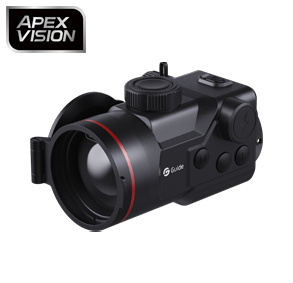
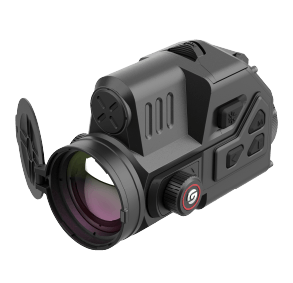
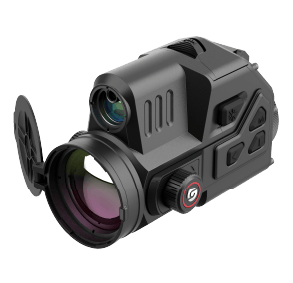
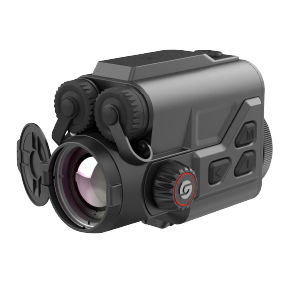
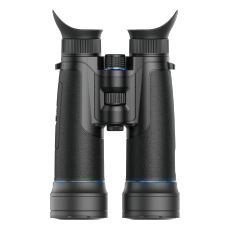
Thermal devices can support this process by adding heat-based information to normal visual observation. Thermal monoculars, thermal binoculars, handheld thermal cameras, and other thermal imaging tools can help outdoor users monitor people, animals, equipment, and surrounding areas in low-light conditions.
Quick Takeaway: Thermal vs. Standard Optical Observation
Feature | Standard Flashlights Cameras | Night Vision Devices | Thermal Imaging Devices |
Light Source Needed | Required (Visible Beam) | Required (Ambient / IR Light) | None (Detects Heat Radiation) |
Camouflage/Fog Penetration | Poor | Low | High (Sees through fog, foliage, smoke) |
Primary Use Case | Localized direct viewing | Ambient night travel | Long-range detection & situational scouting |
What Is Outdoor Situational Awareness?
Outdoor situational awareness means having a clear understanding of your surroundings, current conditions, and possible changes.
For example, a hiker may need to know whether someone in the group has fallen behind. A rescue team may need to check a large area before moving closer. A worker at a remote facility may need to monitor equipment and nearby surroundings after dark.
While standard flashlights or visible-light cameras provide useful information, their effectiveness is often limited by lighting conditions. Thermal imaging technology, however, offers an additional dimension of awareness by visualizing heat differences.
Thermal Devices Add Another Layer of Information
A normal optical image tells you what objects look like. A thermal image shows how heat is distributed across the scene.
This difference proves crucial when visual information from the visible spectrum is limited.
For example, thermal imaging devices can help operators detect human heat sources against cooler backgrounds, identify recently used equipment, or check for anomalous thermal activity in an area.
The purpose is not to replace normal vision. It is to provide another source of information when the visual scene is incomplete.
Useful During Nighttime Outdoor Movement
Night travel creates more than a visibility problem. It can make route selection, group awareness, and hazard assessment more difficult.
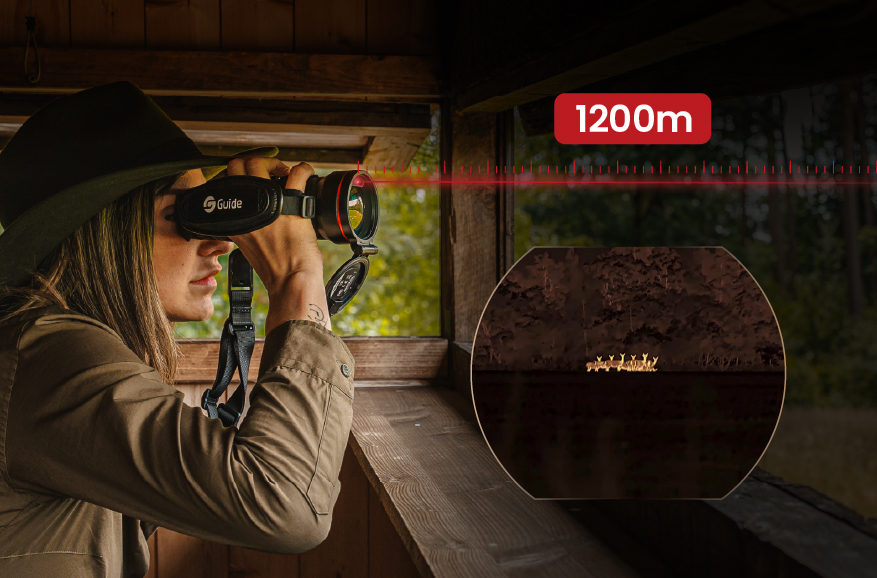
A thermal imaging monocular allows users to scout an area before entering it. This can be useful on trails, near campsites, around remote buildings, or during outdoor patrols.
Instead of using a bright light to scan every spot, users can first conduct a thermal observation to determine whether further inspection is necessary.
This can make nighttime movement more controlled.
Supporting Search and Rescue Operations
Search and rescue is one of the clearest applications for outdoor thermal imaging.
When conducting SAR operations over large areas, teams often need to make decisions under constraints of time and resources. Thermal devices can provide additional information that helps teams prioritize locations for closer inspection.
Rescuers can carry thermal imaging monoculars while operating in forests, open terrain, mountainous regions, and other complex environments. Once a possible heat source is identified, teams can confirm the location using maps, GPS, radios, drones, or direct visual inspection.
Thermal imaging is therefore most useful as part of a larger search process rather than as a standalone solution.
Improving Personal and Group Safety
Thermal devices can also support outdoor personal safety.
During camping, hiking, fishing, or remote travel, users may need to check the area around a tent, vehicle, campsite, or temporary shelter after dark.
For group activities, thermal imaging devices enable leaders to maintain situational awareness without constantly using bright lighting.
This can be especially useful when preserving nighttime visibility and reducing unnecessary light are both important.
Outdoor Security and Property Protection
Thermal imaging also has value outside recreational use.
Remote properties, storage areas, construction sites, farms, and outdoor facilities often have zones that are difficult to monitor at night.
While fixed visible-light cameras provide continuous surveillance, handheld thermal imaging devices allow personnel to investigate areas outside the camera's main coverage.
This makes thermal imaging a practical mobile tool for outdoor security and perimeter checks.
Useful for Remote and Professional Work
Outdoor situational awareness is also important for workers operating away from normal infrastructure.
Field technicians, utility maintenance crews, forestry workers, and other outdoor professionals often operate during early mornings, late nights, or in remote locations.
A thermal device can help them inspect their surroundings while also supporting quick checks of equipment or nearby activity.
This eliminates the need to carry multiple separate observation tools to cope with varying visibility conditions.
Choosing the Right Thermal Device
Different outdoor tasks require different products.
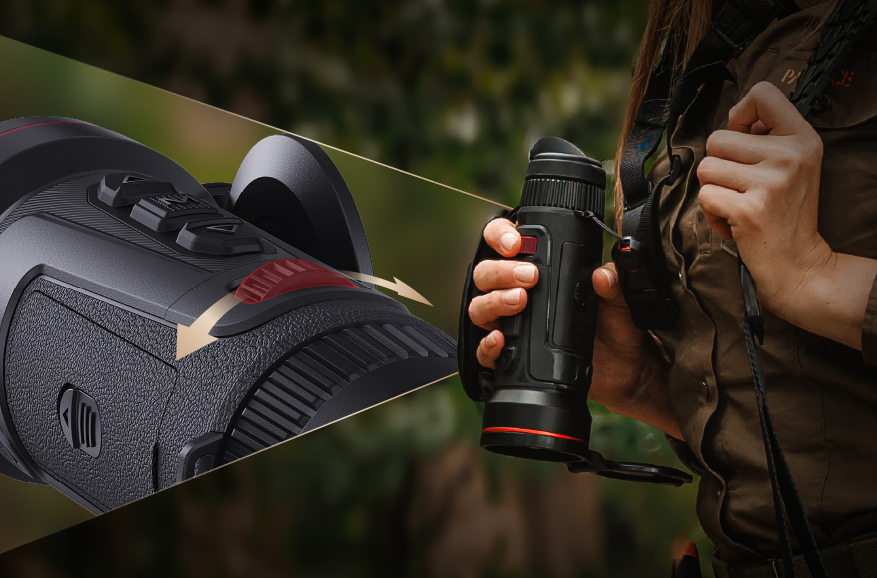
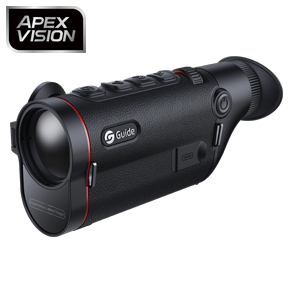
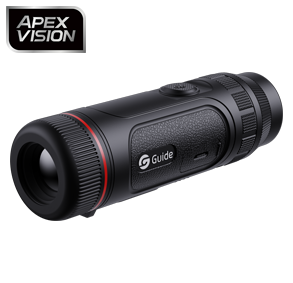
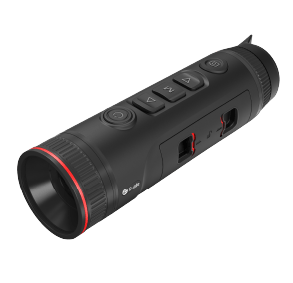
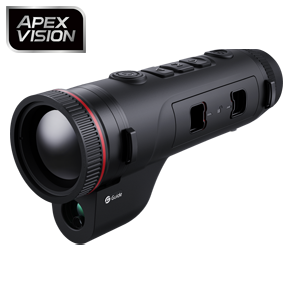
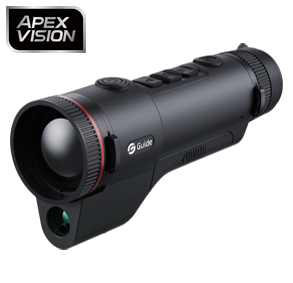
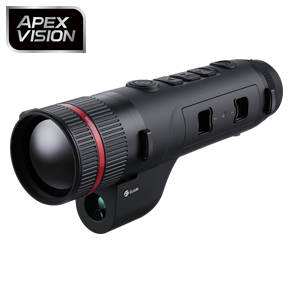
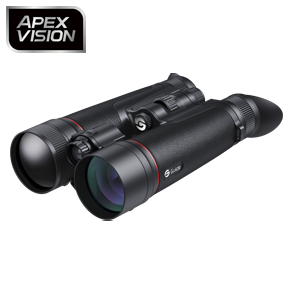
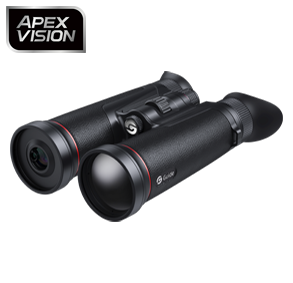
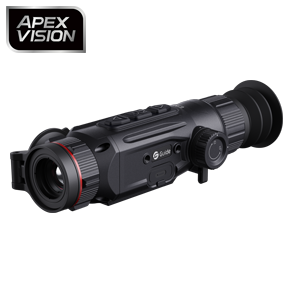
Thermal imaging monoculars are highly practical when portability and quick observation are paramount; thermal imaging binoculars offer greater comfort for extended periods of observation; and handheld thermal cameras may be the better choice when the user needs to inspect equipment or other objects in addition to observing the surroundings.
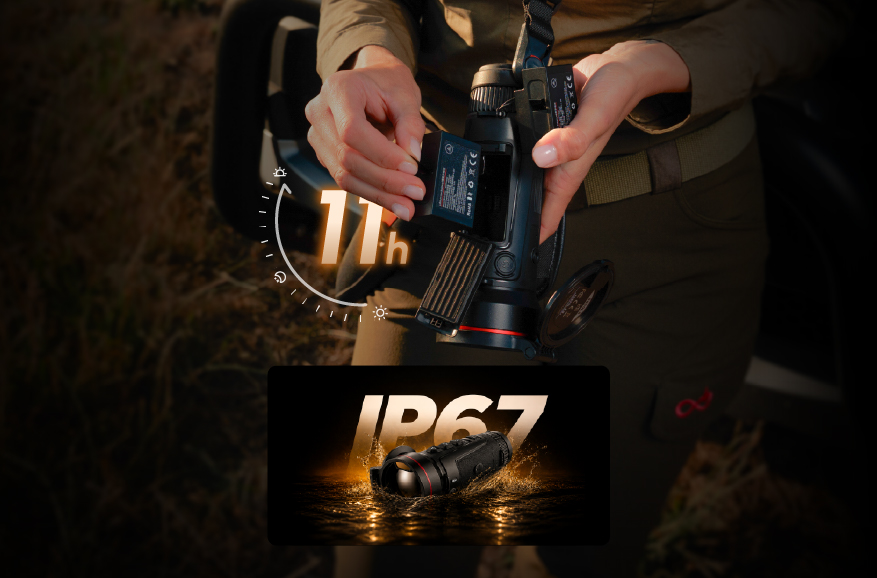
Important factors include thermal resolution, field of view, battery life, weight, durability, and ease of operation.
The best choice depends on the user's specific observation needs, as well as how the device will be carried and used.
Why Thermal Imaging Is More Than Just Night Vision
Thermal imaging should not simply be treated as another form of night vision.
While night vision technology relies on existing light to produce a visible image, thermal imaging creates images based on heat information.
This difference is highly valuable for outdoor users, whose focus often extends beyond merely seeing their surroundings to identifying what is active, changing, or potentially significant within the environment.
That makes thermal devices useful for a wider range of outdoor safety and protection tasks.
Conclusion & Next Steps
Thermal imaging devices represent a paradigm shift in outdoor safety, converting unseen thermal data into actionable visual insight. Whether you are leading a SAR mission, securing a remote facility, or navigating off-grid wilderness, incorporating thermal technology ensures you are never left in the dark.
Thermal devices can improve outdoor situational awareness by adding heat-based information to normal visual observation.
They help ensure safety during nighttime operations, assist search-and-rescue teams in identifying priority search areas, safeguard campsites and personnel, and provide mobile support for outdoor security and remote operations.
They are not intended to replace standard visual observation, flashlights, video cameras, or other safety equipment; rather, thermal imaging technology offers an additional dimension of information in low-light conditions or situations where visual observation alone is insufficient.
As outdoor activities and professional field operations become more demanding, thermal technology can provide a practical way to understand surroundings more clearly and respond to changing conditions.