
.png)
.png)






25Hz vs 50Hz vs 60Hz Thermal Refresh Rate: Does It Really Matter for Hunting
When scanning a dark, rolling field for a moving target, the last thing you want is a stuttering, lagging image that causes eye strain or causes you to lose sight of a trophy buck. That is why thermal refresh rate is one of the most critical specifications to evaluate when choosing a thermal imaging device. Although products with refresh rates of 25Hz, 50Hz, or 60Hz may feature similar sensor resolutions, their actual performance can differ significantly when scanning an area or tracking moving targets.
Understanding thermal refresh rate helps buyers choose a device that matches their observation needs, whether they use thermal monoculars for hunting, outdoor exploration, or professional fieldwork.
What Is Thermal Refresh Rate?
Thermal refresh rate, measured in hertz (Hz), describes how many times per second a thermal imaging system updates its image.
A 25Hz device updates the image 25 times per second, while a 50Hz device updates it 50 times per second. A 60Hz device updates it 60 times per second.
Generally, a higher refresh rate results in smoother motion, particularly when the user is moving the device or observing moving targets. However, refresh rate is only one part of overall performance. Image processing, system response, sensor quality, and display behavior also affect the viewing experience.
25Hz vs 50Hz vs 60Hz: Key Differences
Feature | 25Hz | 50Hz | 60Hz |
Image updates per second | 25 | 50 | 60 |
Motion smoothness | Basic to moderate | Smooth | Very smooth when well implemented |
Slow scanning | Suitable | Suitable | Suitable |
Fast panning | More visible stutter may occur | Generally smoother | Can provide further improvement |
Moving target observation | Suitable for slower movement | Better for tracking movement | Useful for demanding dynamic scenes |
Typical consideration | Basic observation needs | Balanced performance | Maximum smoothness may be a priority |
These are general comparisons, not guarantees. A well-designed 50Hz thermal device can provide a better viewing experience than a poorly optimized 60Hz device.
When Is a 25Hz Thermal Device Enough?
A 25Hz thermal device can be suitable for users who mainly observe stationary areas or scan slowly and deliberately.
For example, users monitoring fixed outdoor locations may have less need for high dynamic performance compared to those tracking animals across vast wilderness areas.
At a 25Hz refresh rate, the image may appear less smooth if the device is panned rapidly. This can make it difficult to maintain a continuous track on a target, particularly when the target changes direction.
For buyers who prioritize basic observation and have limited need for rapid movement tracking, 25Hz may still meet their requirements.
Why Choose a 50Hz Thermal Device?
Compared to 25Hz devices, 50Hz thermal imaging equipment offers double the image refresh rate. This can make a noticeable difference when scanning large areas or following moving objects.
For modern hunting and outdoor observation, a 50 Hz frame rate offers smoother image updates than 25 Hz, making it easier to follow moving animals and scan across vegetation. When combined with advanced shutterless technology, such as the Shutterless 3.0 system in the Guide Kodiak 3.0, it helps deliver a more continuous viewing experience. By reducing the need for traditional mechanical shutter-based calibration, shutterless technology can minimize interruptions to the image and eliminate the clicking sounds associated with mechanical shutters, helping you stay focused when observing fast-moving wildlife.
Does 60Hz Always Mean Better Performance?
Not necessarily.
A 60Hz thermal device can offer smoother motion than a 50Hz model, but the difference may be less important during slow scanning or stationary observation.
Other technical specifications often have a greater impact on real-world performance. For instance, sensor resolution determines spatial detail, NETD reflects thermal sensitivity, and lens focal length influences the field of view and how the scene is presented.
Buyers should therefore avoid choosing a thermal device based on refresh rate alone. The right combination of specifications matters more than one headline number.
Why Refresh Rate Matters for Hunting and Outdoor Use
Refresh rate is particularly important when users need to move their device while observing dynamic scenes.
During hunting, a higher refresh rate can make it easier to follow moving animals and keep the image visually continuous while scanning.
When exploring outdoors, whether gazing into the distance on rugged terrain or moving between different observation points, a high refresh rate can enhance the viewing experience.
For search and rescue or other field operations, smooth image updates can also help users interpret movement while checking an area. However, thermal imaging should support, not replace, other observation and safety procedures.
Guide Kodiak: 50Hz Thermal Imaging for Outdoor Observation
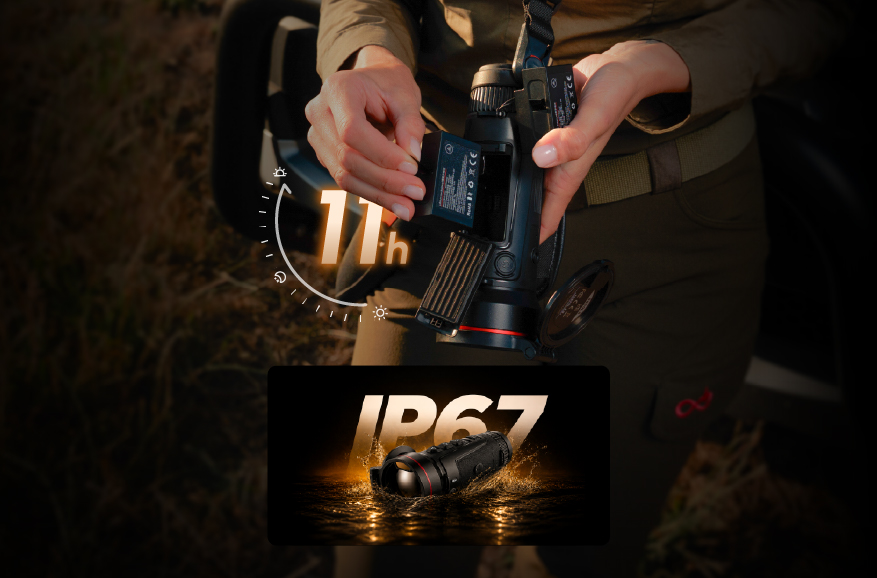
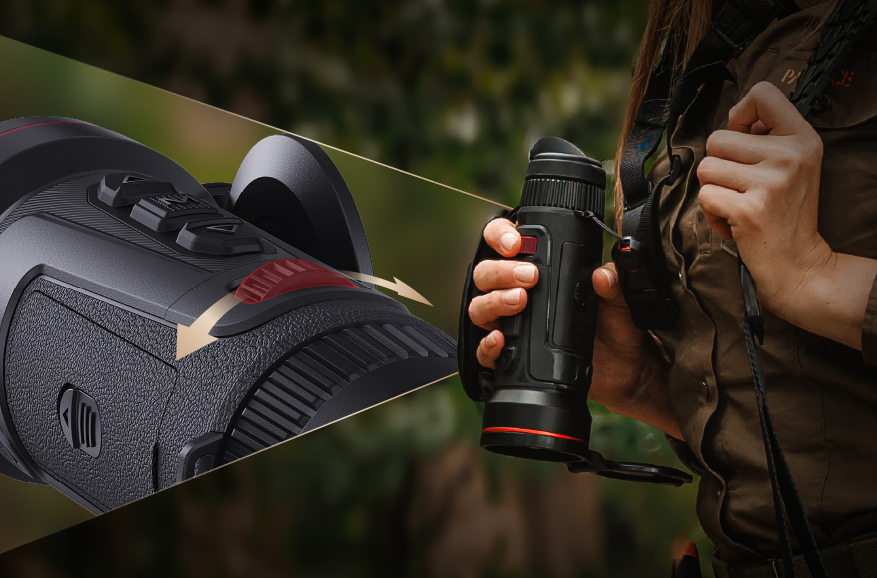
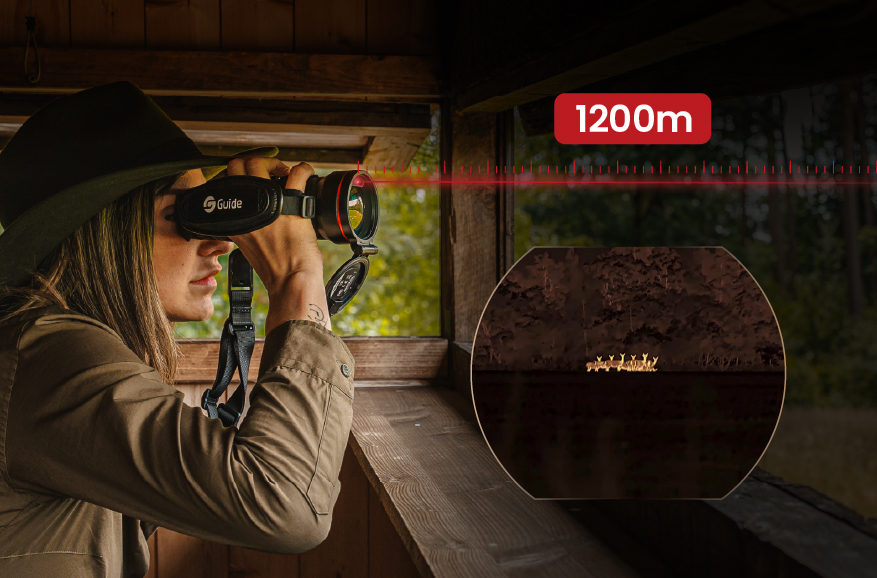
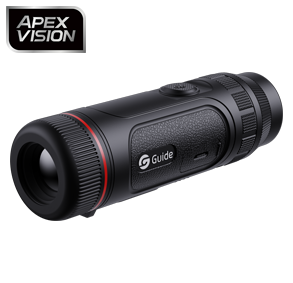
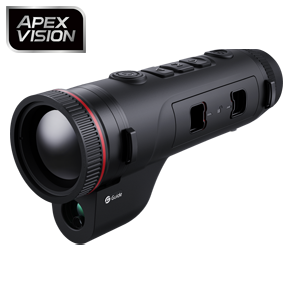
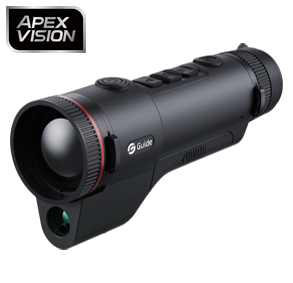
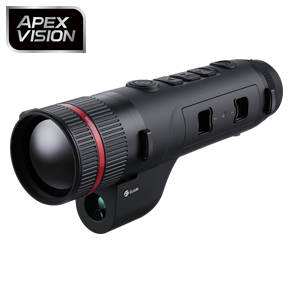
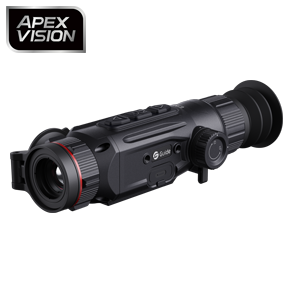
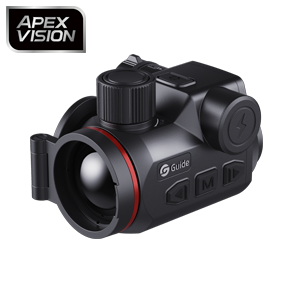
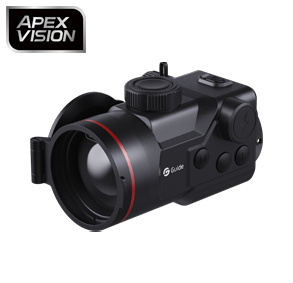
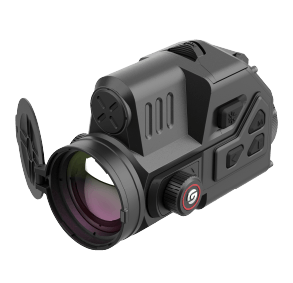
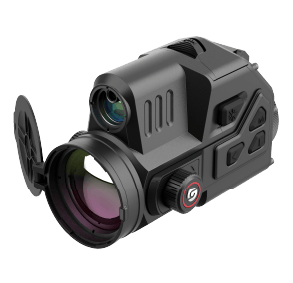
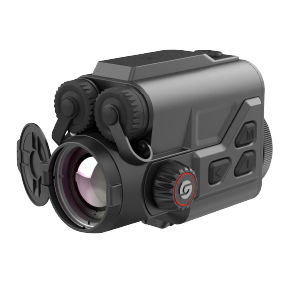
The Guide Kodiak 3.0 thermal imaging monocular combines a 50Hz frame rate with Guide’s proprietary Shutterless 3.0 technology to deliver smooth, responsive thermal imagery. This series includes two models, TK635L 3.0 and TK650L 3.0, both equipped with a detector with a resolution of 640×512 (12μm pixel pitch) and a nominal thermal sensitivity of 15mK. The primary difference between the two models lies in their lens configurations, catering to diverse user observation needs.
The 50Hz refresh rate ensures smooth visuals when scanning outdoor environments or tracking moving targets. By integrating the detector, image processing technology, and shutterless design, the device offers a seamless and continuous viewing experience.
For customers comparing thermal monoculars, Kodiak 3.0 illustrates why refresh rate should be evaluated alongside resolution, thermal sensitivity, lens choice, and the complete imaging system.
How to Choose the Right Refresh Rate
Before choosing a thermal device, consider how you will use it.
If your primary use involves slower-paced observation and your budget or system requirements favor a standard refresh rate, a 25Hz model is sufficient.
If you frequently scan outdoor areas, track moving targets, or desire smoother image updates, a 50Hz model is recommended.
If smooth motion rendering is a top priority and the device's overall performance supports it, you might consider a 60Hz model.
Always check the actual specifications of the model you are considering. Refresh rate alone does not guarantee better detection range, greater thermal sensitivity, or sharper detail.
Conclusion
The difference between 25Hz, 50Hz, and 60Hz thermal imaging is mainly how frequently the image updates and how smoothly movement appears.
For slower-paced observation, a 25Hz device may suffice; however, in outdoor scenarios requiring frequent movement, a 50Hz device typically delivers a smoother visual experience. While well-designed 60Hz systems offer further performance enhancements, they are not necessarily the optimal choice for every user.
Featuring a 50Hz frame rate and Shutterless 3.0 technology, the Guide Kodiak 3.0 is purpose-built for hunting and outdoor adventures, delivering smooth, responsive thermal imagery.
For the best results, compare refresh rate with resolution, NETD, lens specifications, and image processing. The right thermal device is the one that meets your real observation needs as a complete system.